Cracroft Pest Patrol
Helping native wildlife thrive in our neighbourhood
Cracroft Pest Patrol is a community-led conservation project working to protect and restore native wildlife across the Cashmere Valley and Christchurch Adventure Park.
Together, we’re reducing introduced predators such as rats, mustelids and hedgehogs, helping create a safer environment for native birds, insects, reptiles and regenerating native bush. As the project grows, possum control will also be added.
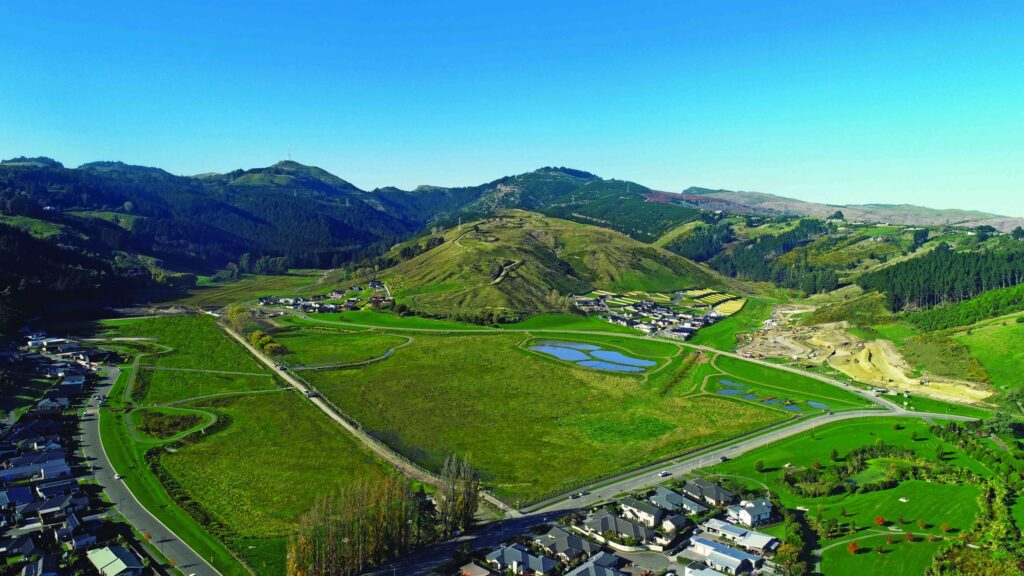
The project starts with around 40 hectares of wetland and regenerating habitat, with the long-term goal of extending predator control across the 358-hectare Christchurch Adventure Park.
But this is about more than traps. Cracroft Pest Patrol is a community effort, bringing together volunteers, landowners and conservation supporters to make a real difference. We’ll combine practical predator control with biodiversity monitoring, data collection and community education so we can see the results of our work and learn as we go.
Get involved
Whether you can help check traps, monitor wildlife, share your knowledge or simply support the project, there’s a place for everyone.
Together, we can give native wildlife a better chance to thrive. Get in touch to see if you can help?
Frequently Asked Questions
How Is The Project Funded?
The project was originally funded by a $5,000 bequest from the Anne Currie Legacy Fund managed by Predator Free NZ Trust. This helped purchase the materials for 140 traps, which were subsequently built by the project volunteers.
Currently we have no ongoing funding and are reliant on our volunteers time and goodwill to cover any expenses. We will soon be applying for additional grants, but we’re very interested in talking with individuals or companies who might be interested in supporting the project financially or suppling materials in-kind. Please drop us a line!
Where Will The Project Start?
The first trapping area will be the wetland at the bottom of the valley.
It was chosen because it has easy public access, lower safety risks, and is excellent habitat for pest animals. Starting here also allows volunteers to gain experience before the project expands into Christchurch Adventure Park and surrounding reserve areas.
Do You Plan To Expand The Project?
Yes.
The long-term goal is to progressively extend trapping throughout suitable public and private land in the Cracroft area. Future stages will depend on volunteer numbers and most importantly, funding.
Who Is Involved?
The project is a partnership between local volunteers and several organisations.
The trapping area includes land managed by Christchurch City Council parks (primarily Three Waters in the catchment zone, but bordering on regional and community parks), along with Christchurch Adventure Park. Each organisation has its own approval processes and operating requirements, so considerable planning, coordination and training is required before traps can be installed.
What Animals Are You Targeting?
Initially we will target:
- Rats
- Hedgehogs
- Stoats
- Weasels
- With limited possum trapping initially
These introduced predators have a significant impact on native wildlife.
Hedgehogs? I love hedgehogs!
Well, sadly our birds don’t.
NZ had no mammals before humans arrived (well, bats) and our wildlife adapted to nesting on the ground. Roll forward a few hundred years and our birds and invertebrates are now extremely vulnerable to all ground based predators, hedgehogs included.
Are You Using Poison?
No.
Cracroft Pest Patrol will not be using poison as part of this project. We are using approved humane kill traps that quickly dispatch pest animals.
One benefit of not using toxins is that if a dog discovers a dead rat, there is no risk of secondary poisoning from bait.
Are The Traps Humane?
Yes.
All traps used by Cracroft Pest Patrol meet New Zealand’s National Animal Welfare Advisory Committee (NAWAC) standards for humane kill traps. Using humane equipment is an important part of running a responsible conservation project.
Are The Traps Safe Around Dogs And Cats?
Yes.
The traps are enclosed inside specially designed wooden tunnels that prevent pets and people from accessing the trap mechanism.
The entrances are sized for pests and are not designed to catch cats or dogs.
Will The Traps Be Safe Around Children?
Yes.
The traps are housed inside locked wooden tunnels and are safe from prying hands and fingers. The trap mechanism cannot be reached without opening the tunnel using tools.
As with any equipment in a reserve, we ask parents to encourage children to leave the traps alone.
How Will You Know If The Project Is Working?
Monitoring is a key part of the project.
Volunteers will regularly inspect traps, record catches, and monitor pest activity over time. This information helps us understand what is working and where trapping effort should be focused.
Over time we also hope to see increasing numbers of native birds and other wildlife. Another great outcome will be fewer pests invading your home or garden!
What Happens If The Wetland Floods?
The wetland is an intentional stormwater catchment area and flooding is expected from time to time.
The project team is planning ways to securely anchor the traps so they remain in place during flood events. This is an important design consideration that is being worked through before installation.
Are Volunteers Trained?
Yes.
Everyone who services traps receives an induction before working on the project. Refresher inductions are required periodically to ensure volunteers remain familiar with safe procedures and current requirements.
How Can I Get Involved?
We’d love to have you involved.
You don’t need previous trapping experience. There are lots of ways to help, including checking traps, helping with monitoring, maintaining equipment, or supporting the project behind the scenes.
Whether you have a few hours each month or can help more regularly, every volunteer makes a difference.
I Can’t Volunteer. Can I Still Help?
Absolutely.
You can support Cracroft Pest Patrol by sharing information with neighbours, encouraging others to get involved, making a donation when opportunities arise, or simply cheering the project on.
Community support is just as important as volunteer hours.
What About Possums?
Possums are a limited target in the initial stage of Cracroft Pest Patrol with a small trial in the Adventure Park.
Our first focus is reducing rats, hedgehogs and mustelids (stoats, weasels), as these predators have a significant impact on native birds, skinks and invertebrates.
Possum control is part of the project’s longer-term vision. As the project grows, gains more volunteers and secures the necessary approvals and resources, we hope to expand our work to include possums in suitable areas.
How does Cracroft Pest Patrol fit In With Predator Free Cracroft?
We are separate community groups with different areas of focus, but we share the same goal of protecting our local wildlife.
Predator Free Cracroft supports residents to control pest animals on their own properties by providing advice, resources and backyard trapping opportunities. PF Cracroft is part of the Predator Free Port Hills backyard trapping initiative. Find our more at https://www.predatorfreeporthills.org.nz
Cracroft Pest Patrol focuses on trapping in public spaces, starting with the Cashmere Valley wetland and, over time, expanding into other suitable reserve areas.
Together, these projects complement each other. Predator control is most effective when neighbours, volunteers and community groups all work together across both private and public land.
We fully support the work of Predator Free Cracroft and look forward to working alongside them to help create a healthier environment for native wildlife.
Who Can I Contact?
If you have questions, would like to volunteer, or simply want to learn more, we’d love to hear from you.
Please get in touch through our Get Involved page or our Facebook group.
Get Involved
Every extra pair of hands helps us extend the reach of the project and give our native wildlife a better chance to thrive. Email us at [email protected] with any questions, or follow the below link for more options.